
Climate Control
1 March 2025 — 10 May 2025

Climate Control announces the exhibition alter eco, a solo presentation of recent natural pigment paintings and native flora installation by artist Sarita Doe. This is Sarita’s first solo exhibition in the Bay Area. A series of public programs will accompany the exhibition throughout its run, supporting local arts and land stewardship as well as partnering with the Global Alliance for the Rights of Nature. An opening reception will be held at the gallery Saturday, March 1st, 1-5pm.
The setting for Sarita Doe’s paintings is an expanse of time, only partially visible through their tightly patterned and deeply pigmented compositions on display in alter eco. Through close observations of specific sites of land, prayer and offerings towards soil regeneration, and a witnessing of the collaboration and co-conspirator-ship of the flora and fauna around her, Doe seeks a suspension of the self’s temporal experience as a singularity, felt in isolation, in the anthropomorphic realm, to calibrate to the rhythms and movements of habitats within the natural world. She does so as a way to better understand grief, change, knowledge, her own child – to make sense of other’s lived experiences, to sense how they might make sense of her, and of us, in turn. The paintings are the results of this process, a document of sorts in noticing the space we share with so much life around us. She is a student. She is a teacher.
Through the space between her act of painting and the work itself is an experiment and interrogation with how this present chapter in the Modern world has defined “human.” Although the Anthropocene was not introduced into popular consciousness to describe the current geological age until 2000, many scholars within geography, anthropology, and the humanities have tapped the year 1492 as a symbolic beginning to what we now know to be our own current crisis of man-made environmental change. With the rapid land-grab of the mid-millennia by Western nations, came a new suite of rights taken as self-evident to the consciousness of domineering societies. These rights include the right to destroy worlds and manufacture them as new, as well as the right to declare what is new and subsequently othered, backwards, tired, and obsolete. (1) Historian T.J. Demos points out in his Against the Anthropocene that this time also inaugurated the joining of the two hemispheres under a kind of global capitalism, one that still writes the definition of progress today. Under this rule, Anthropocentric thinking has occluded the varied historic human (Indigenous) understandings of nature as well as blanketed the burden of climate crisis as a universal event, despite its very obvious disproportionate effects that communities experience all over the globe due to a matrix of inequalities from economic resources, habitable infrastructure, and social alienation.
alter eco echos Sarita Doe. A Doe is a deer, like those that can be seen darting in and out of our hillsides in the Bay Area, confused by the growing traffic noise and bifurcated landscapes. Jane Doe is also a term that holds those unknown–used for women who’s identities are yet to be identified or are being concealed within both the medical and judicial fields. To be unknown is to be the possibility of many, and to conceal one’s identity is equally to be a proxy of the masses, here, advocating for climate justice. Sarita’s broadening of the self here, moves us out of a kind of spiritual purgatory onset by history’s past colonial forces, and towards a greater collectivity and collective understanding of our duty to both each other and the land we inhabit. Her daughter comes into her studio and points to a salmon she made on the wall. It rhymes with the salmon in Salmon Home, a story map of the Winnemem Wintu tribe’s quest to return salmon to their homelands and natural migration patterns in Buyum Puyuk, or Mt. Shasta. When grief seems too big, when the titans of industry seem too opaque, there is a map to return home here in front of us. Sarita explains that the salmon are guides for the people there, it is a return to themselves as well.
When I visited her studio a few weeks ago, a Coastal Oak Tree had fallen, stricken with an illness colloquially known as sudden oak death. She explained that it caught it from its neighbor, the Bay Laurel. It had toppled into the creek next to her home and now connected the dune we stood upon to the speedway I had driven in on. She mentioned wanting to walk across it. I imagined the ravine 100 miles tall. It stretched out below us further than what could be seen, to the depths of the earth all full of the unknown. That which is unfathomably old, and also mysteriously new. It does stretch out though, doesn’t it? To my eye perhaps not really, but to a squirrel it might – or an ant. Familiar things become strange, uncanny, expansive, encyclopedic, and then familiar again; so we trade in religions, in pigments, in lessons in time.
- Arielle Azoulay, “Unlearning the Origins of Photography,” in the series Unlearning Decisive Moments of Photography, Fotomuseum Winterthur blog, September 6, 2018.
- Demos, T.J. Against the Anthropocene: Visual Culture and Environment Today, (Berlin:Sternberg Press, 2017), 18.
Public Programming
Opening reception Saturday, March 1st, 1-5pm.
Join Sarita Doe, Jasmine Nyende, and seh-reum for an Estuary Incantation at 3pm.
Equinox Oracle
Saturday, March 22nd, 3-5pm
Theatrical performance-ritual with Deer Deity and Sapito the Oracle inviting participants into balance and reverie this Spring. The community will move through a series of invitations to center, reflect, and heal into the season.
Sovereign Waters:
Defending the rights of nature in the Bay and beyond
Thursday, April 17, 6-7:30pm PST (hybrid in-person / virtual RSVP link)
Join Pennie Opal Plant of Movement Rights and Quetza Ramirez of the Global Alliance for the Rights of Nature in conversation with Sarita Doe to hear stories from the local waterways, connect to Indigenous-led Earth movements, and learn pathways toward protecting the inherent rights of living entities like Bays, rivers, and mountains. This event is in partnership with the School for the Ecocene Cooperative.

Sarita Doe is a parent, steward, artist, and educator for the Ecocene; an imagined and emergent geologic era of sustainable human reciprocity with the planet. Her natural pigment paintings begin as ecosystem cultivation to learn from the relationships of place. She collaborates with habitat, Earth medicine elders, Indigenous sovereignty, and nature rights movements toward the remediation of living systems devastated by empire. She is a co-founder of the DIY PhD and School for the Ecocene, author of Textbook for the Ecocene, creator of the DIY PhD Activity Deck, and an illustrator for Earth Doula by Queen Hollins. Sarita lives and makes work with her child, multi-species community, and Cajun, Celtic, and Bolivian ancestors in Ohlone Lands, Bay Area, California.
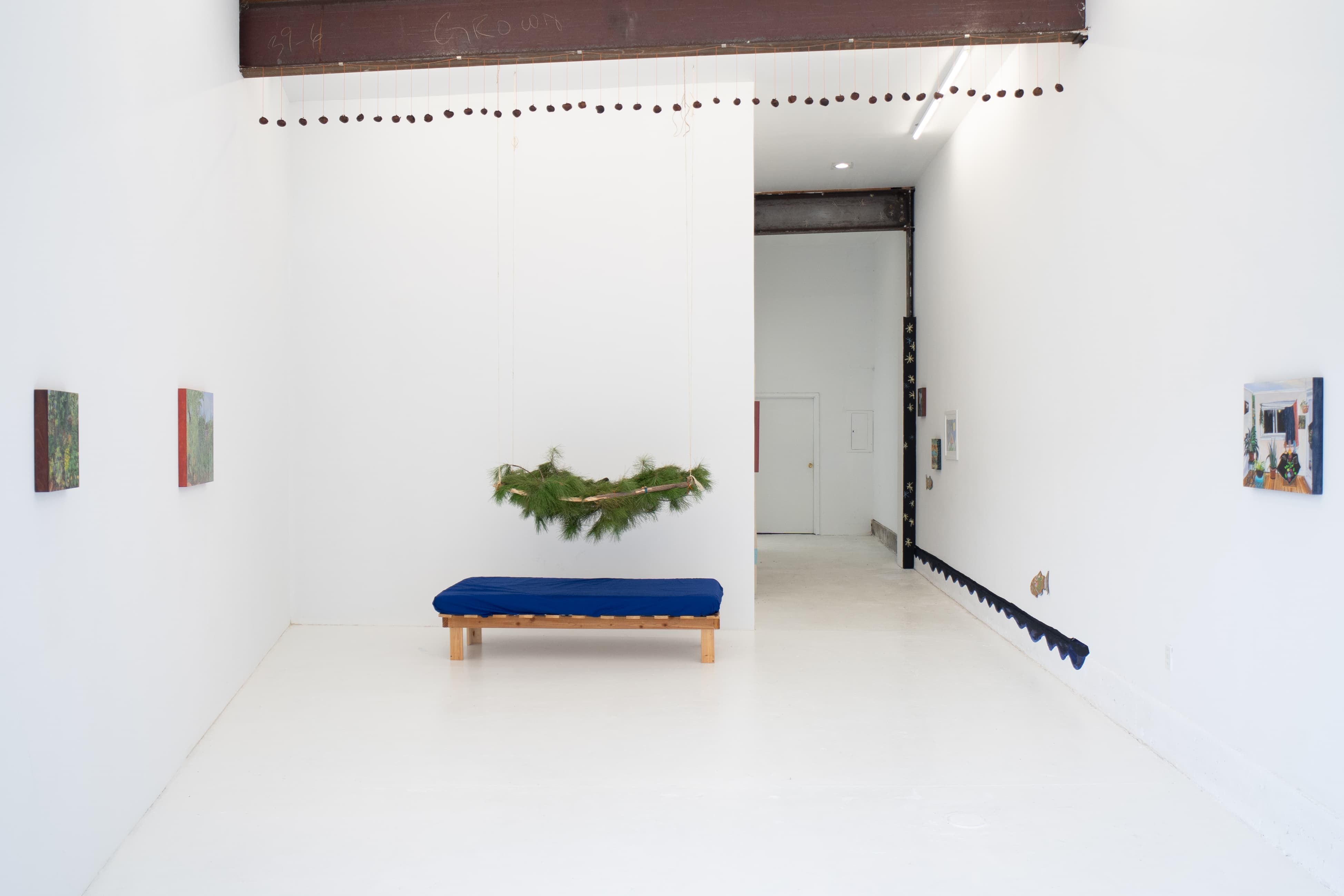
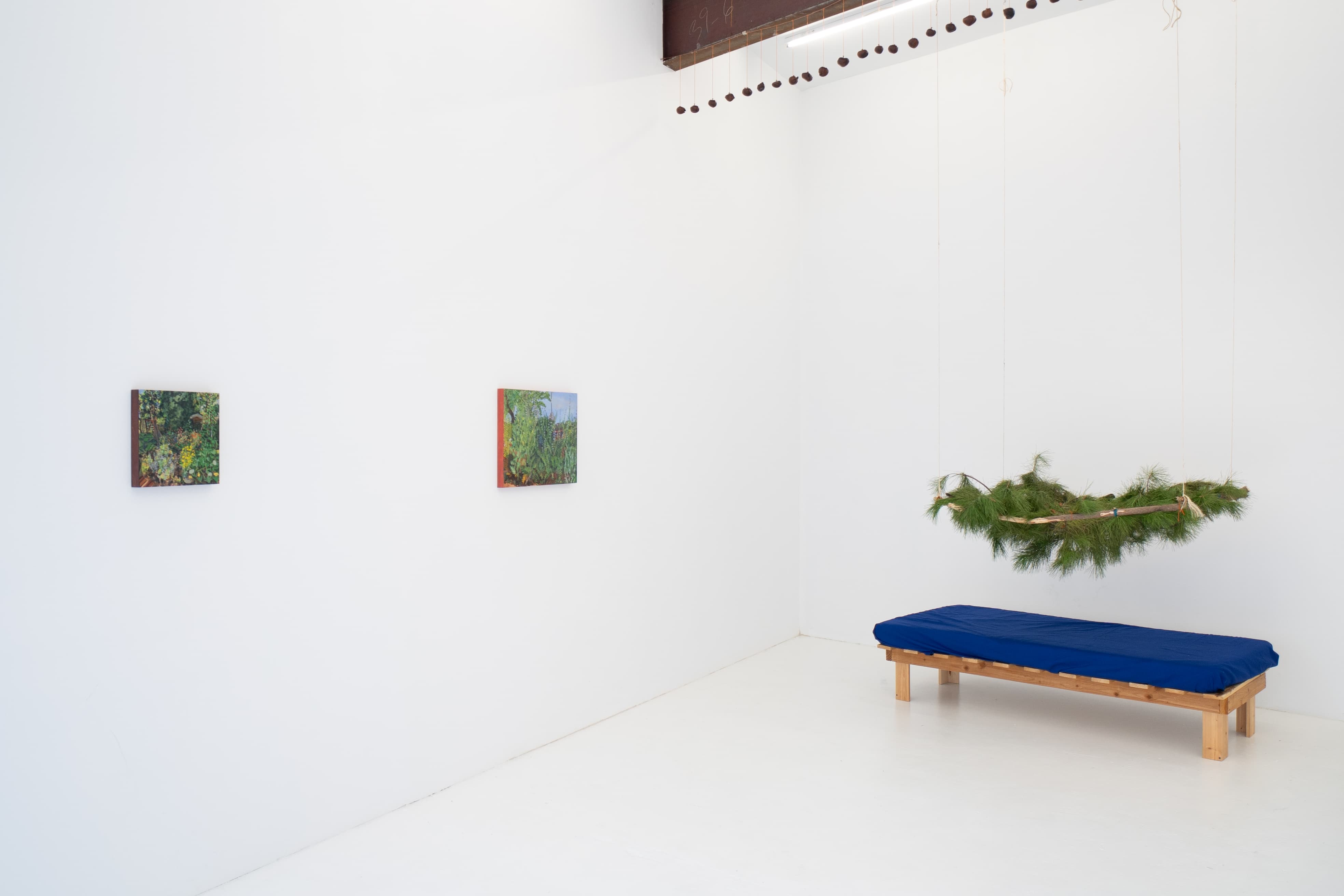
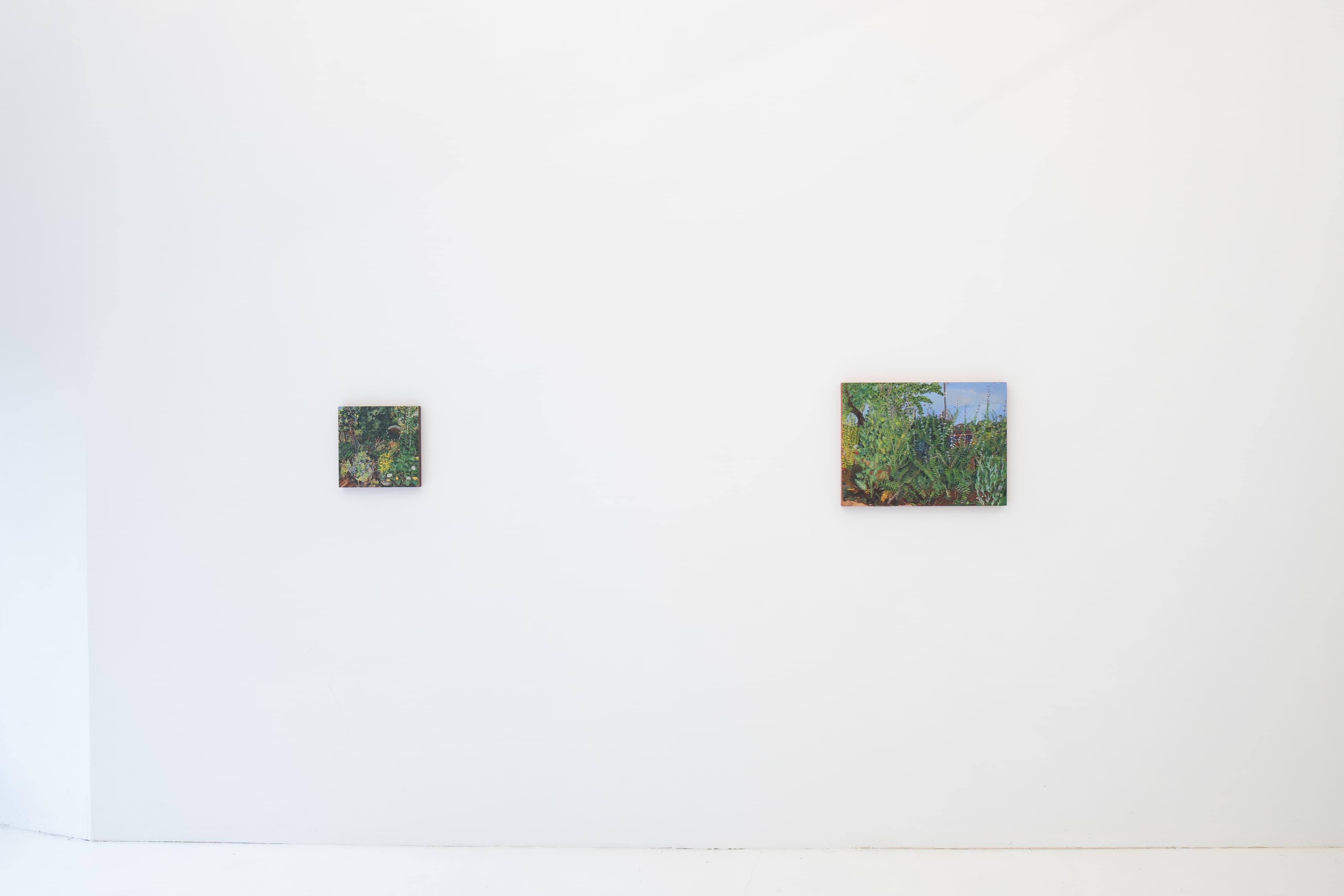
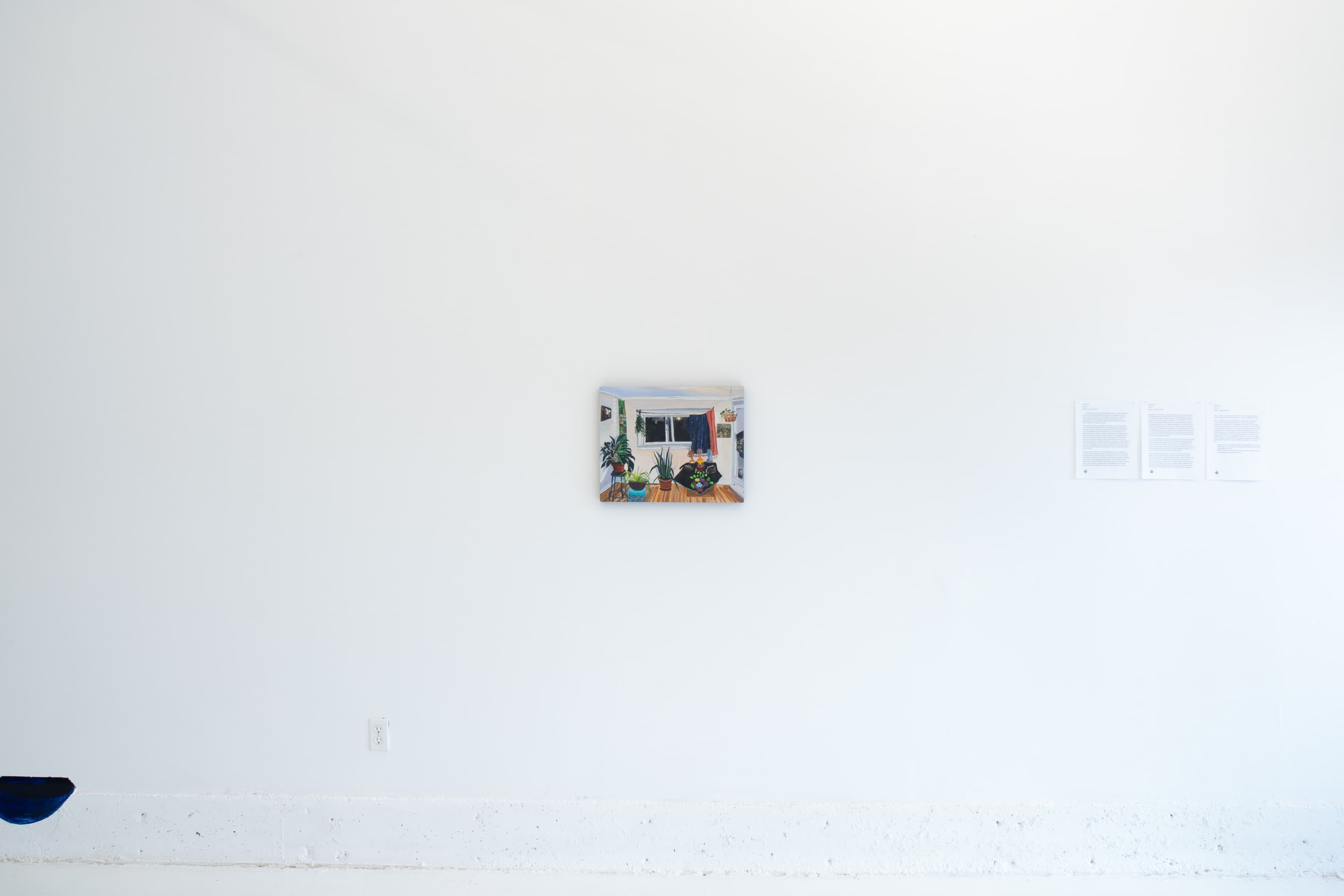
Work Details
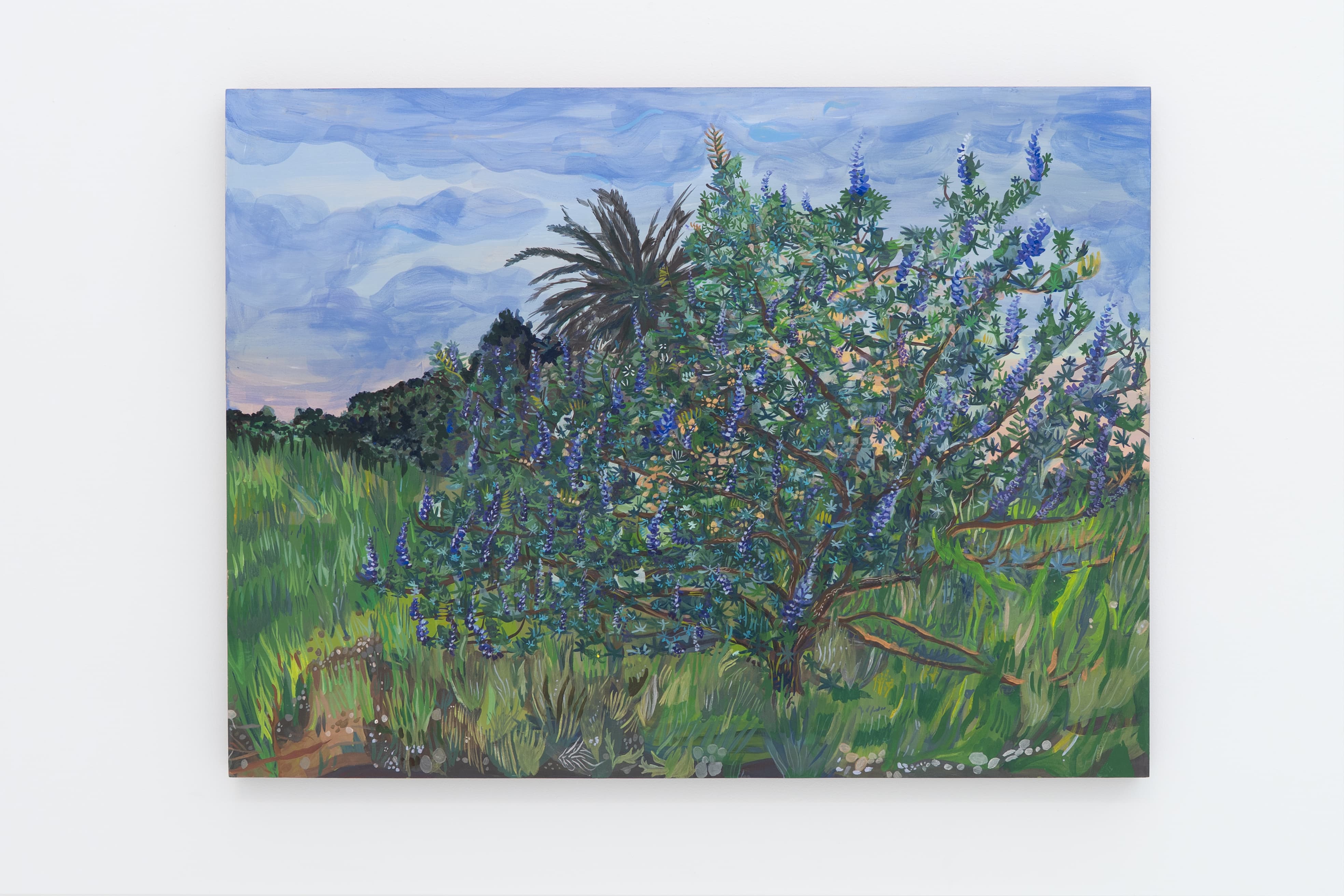 Sarita Doe
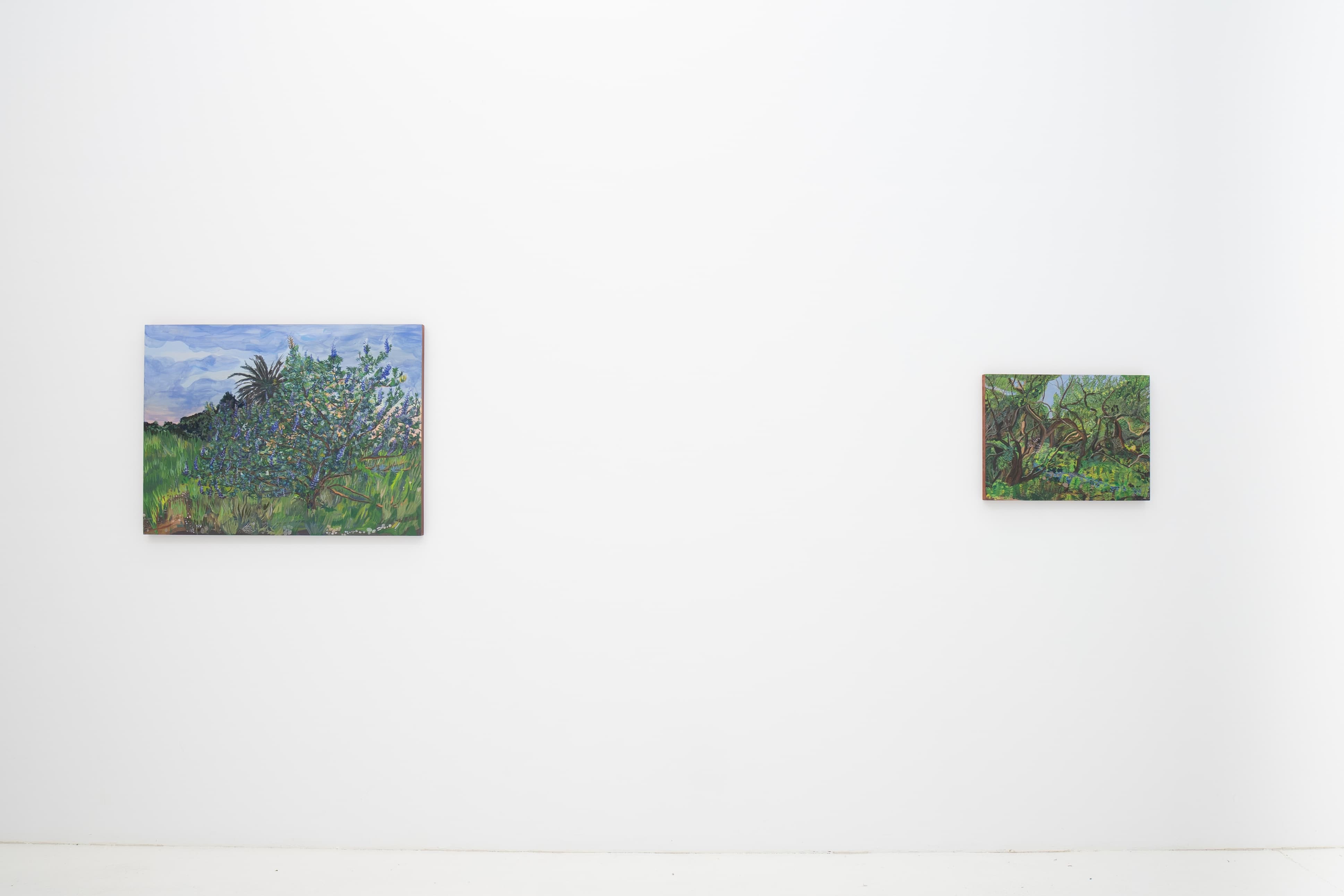
Bush Lupine Habitat, 2023
Natural pigment and gouache on board
30 x 40 inches
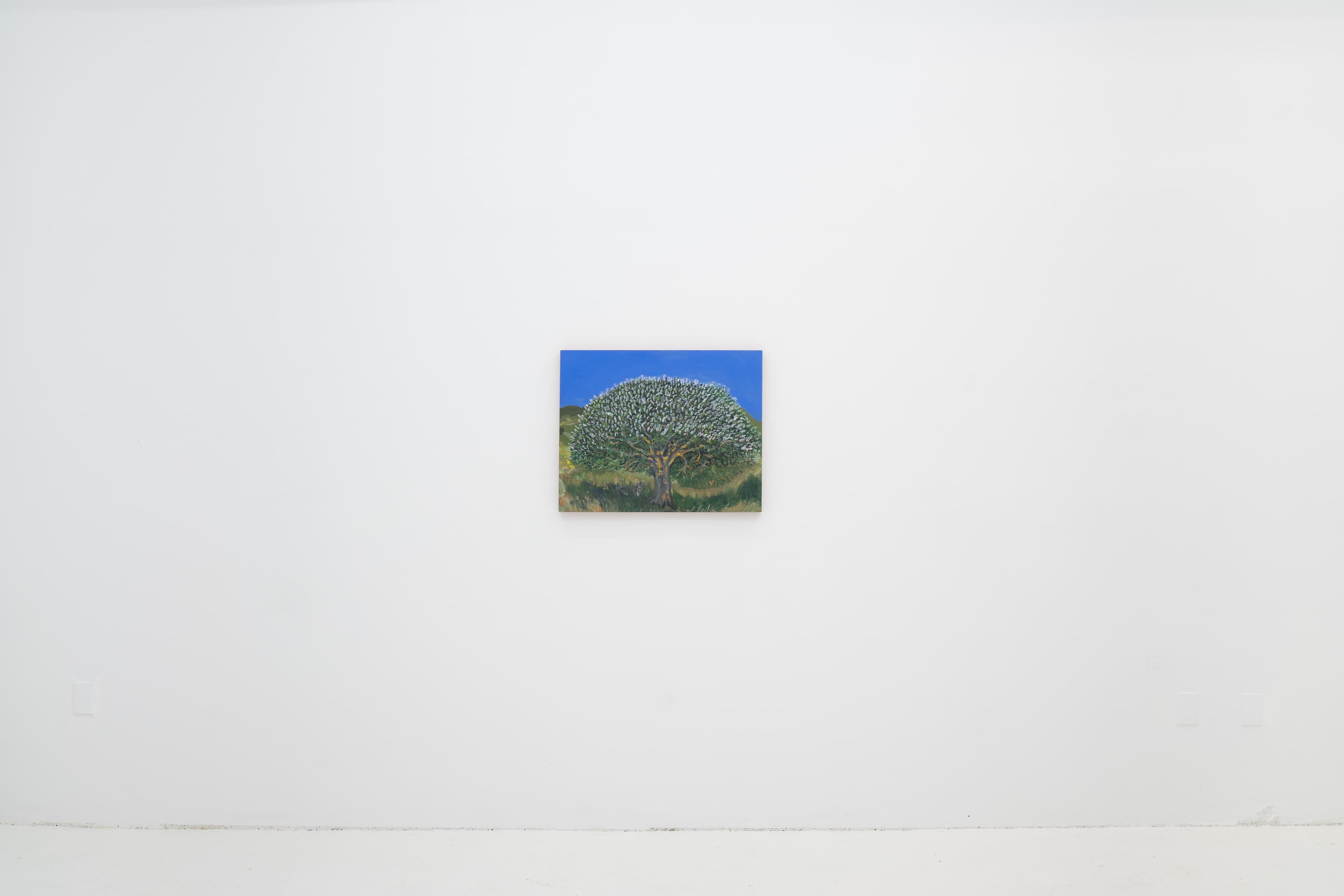
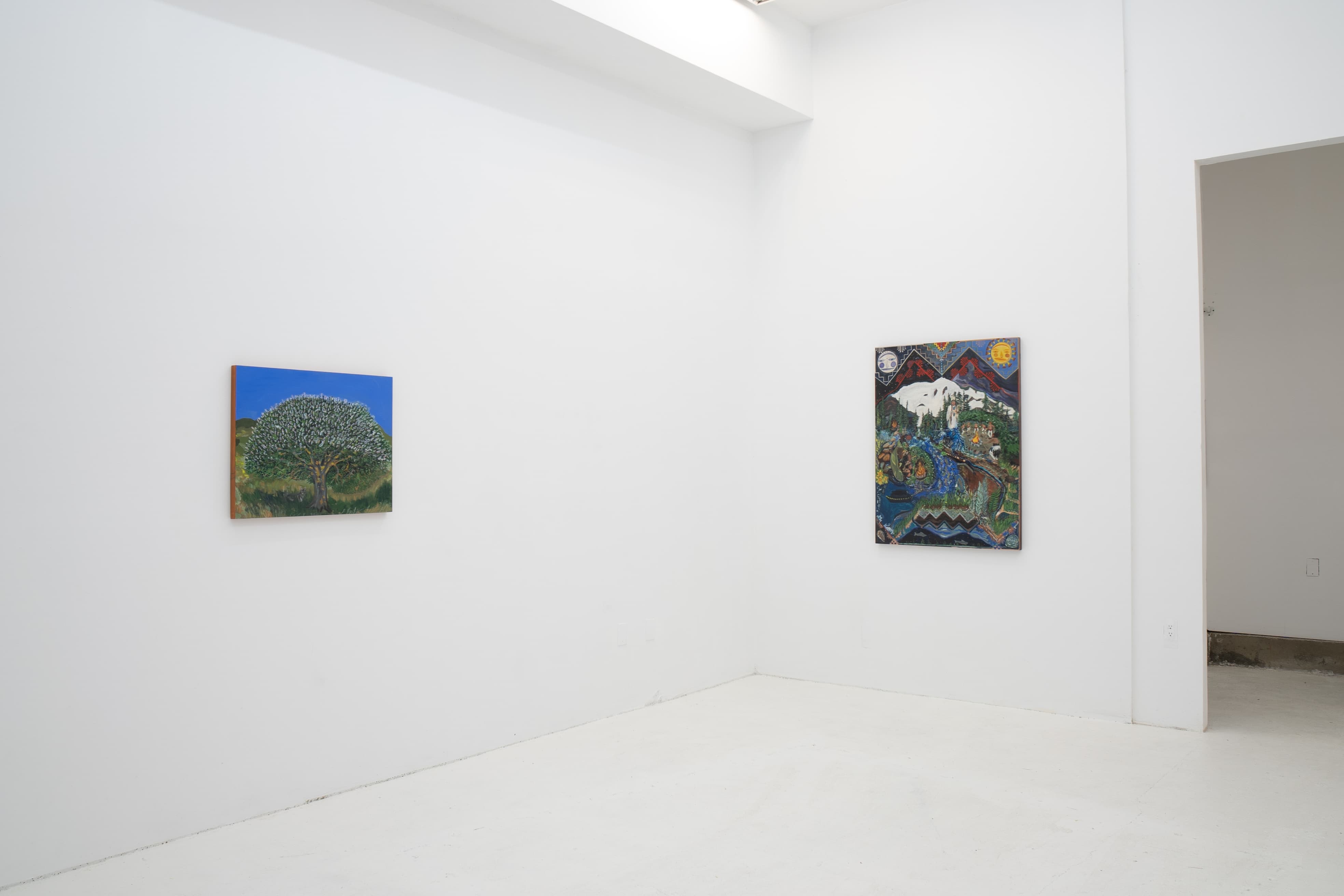
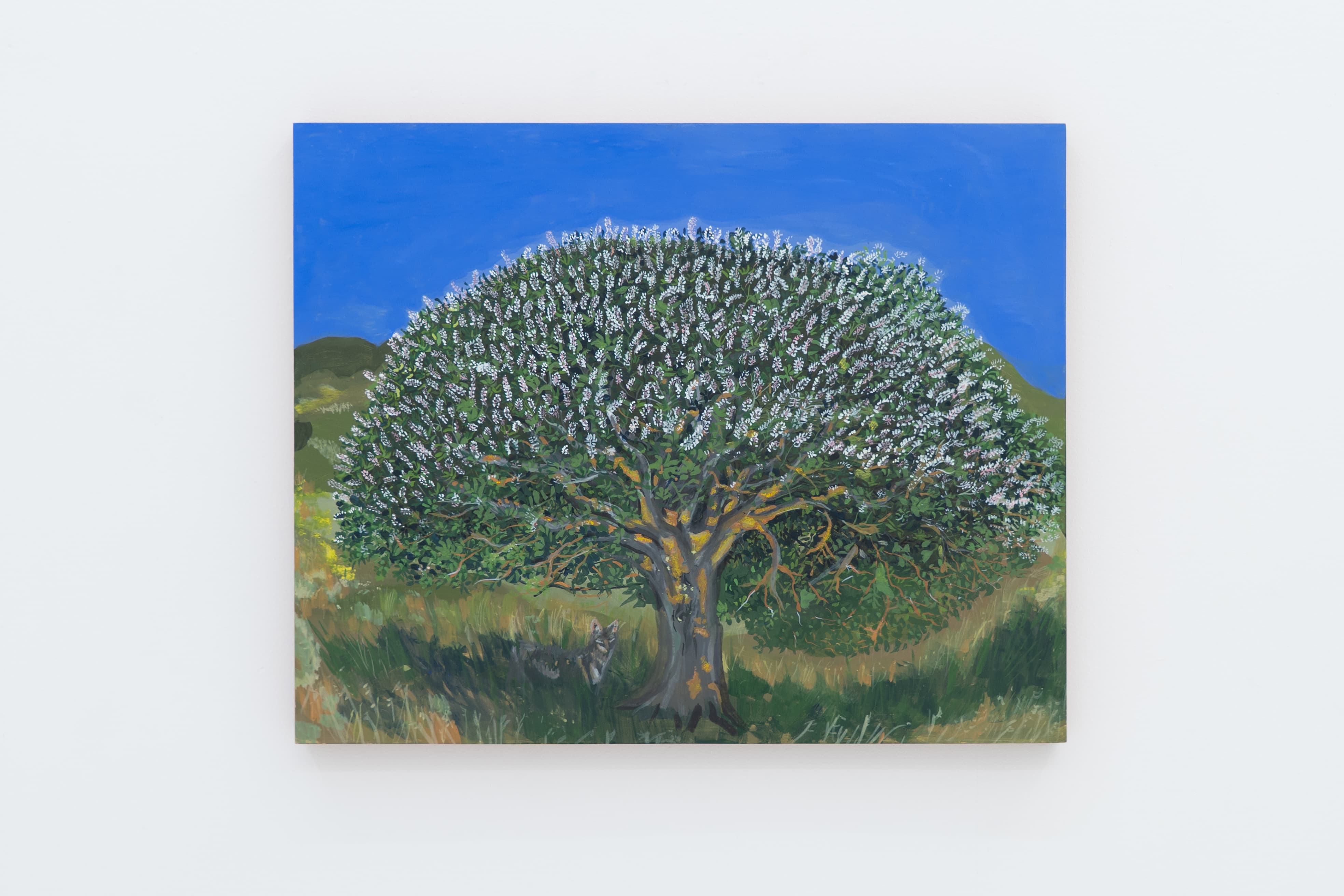 Sarita Doe
Buckeye Beauty, 2023
Natural pigment and gouache on board,
24 x 30 inches
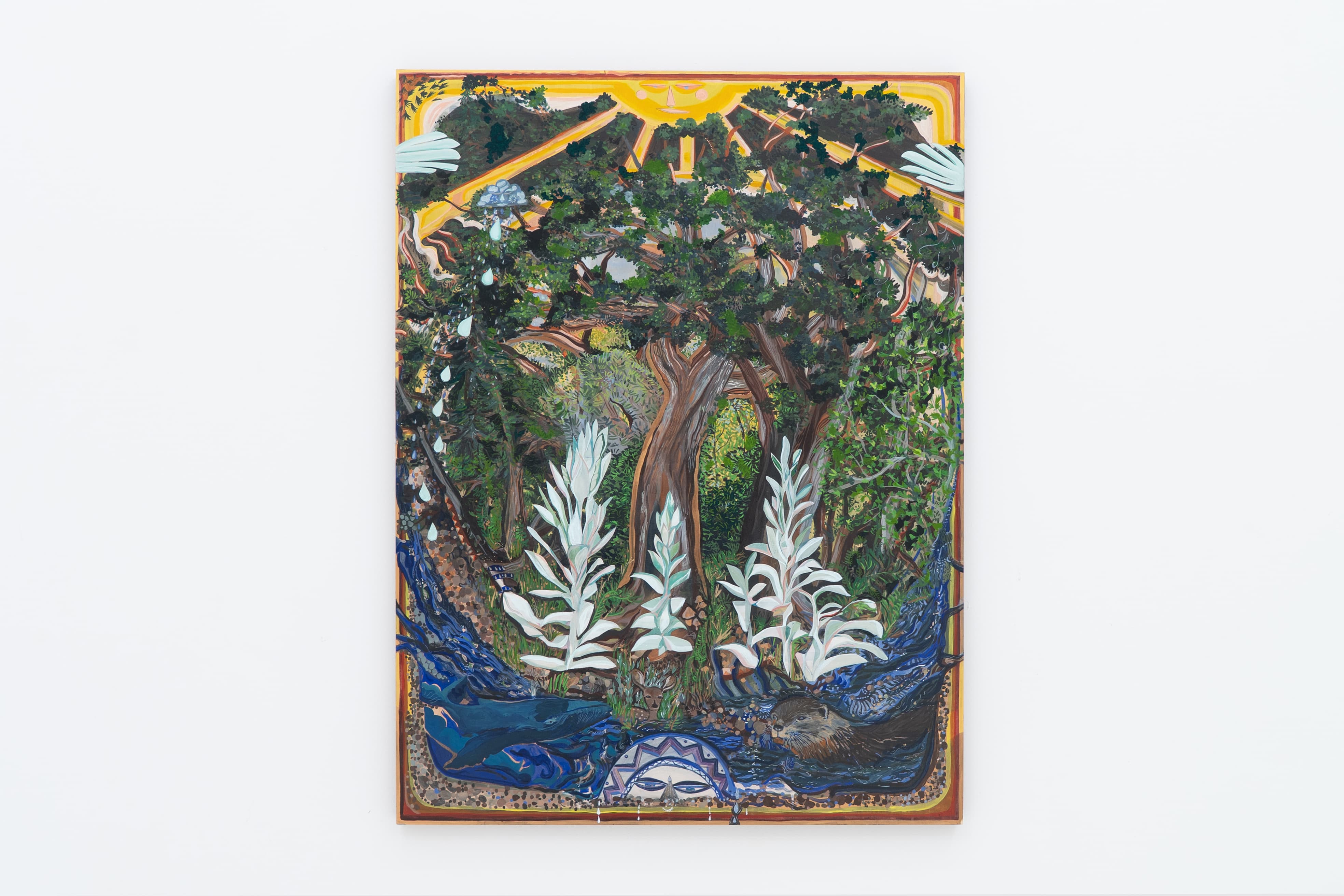 Sarita Doe
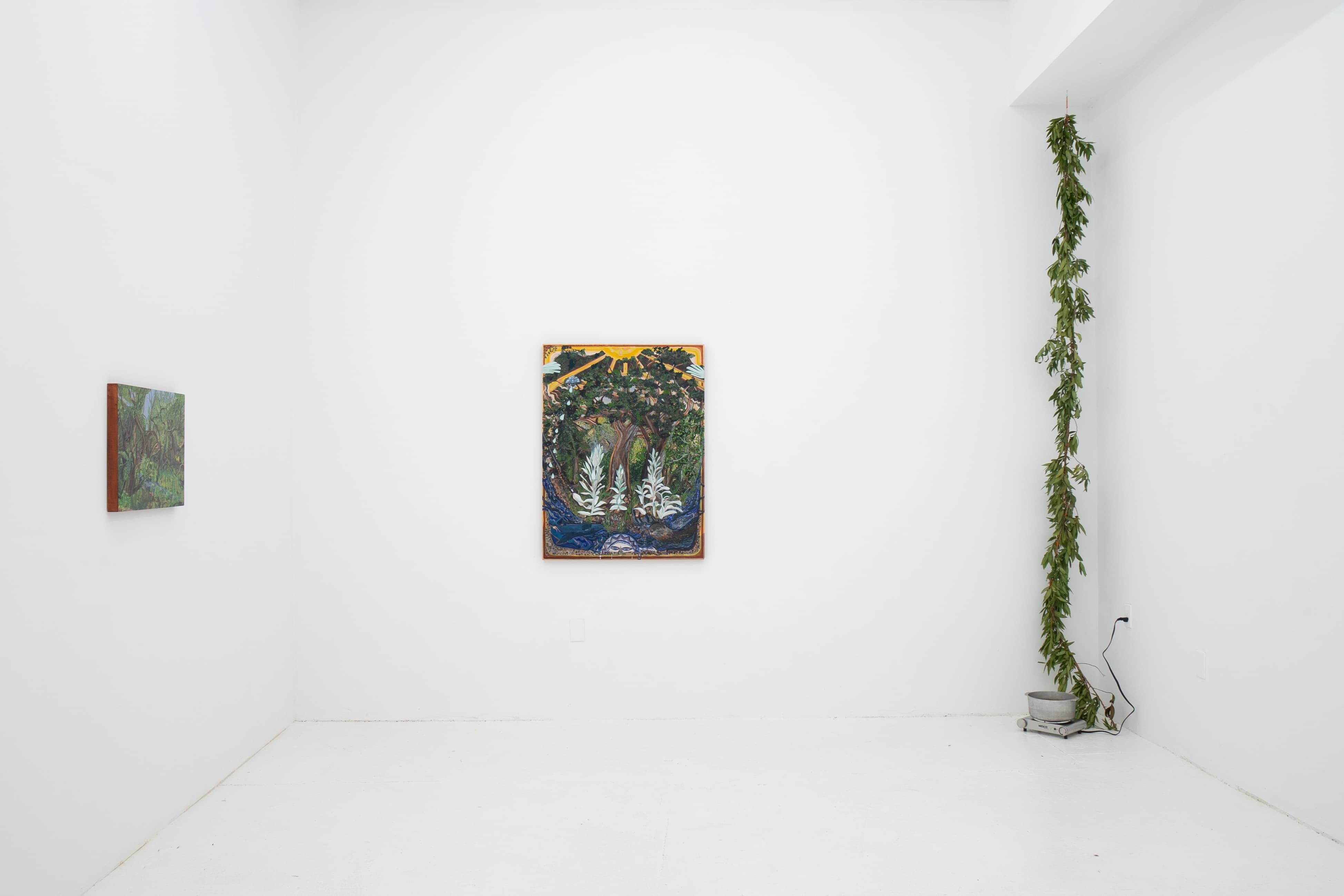
Grow Native Habitat, 2024
Natural pigment and collage on board
48 x 36 inches
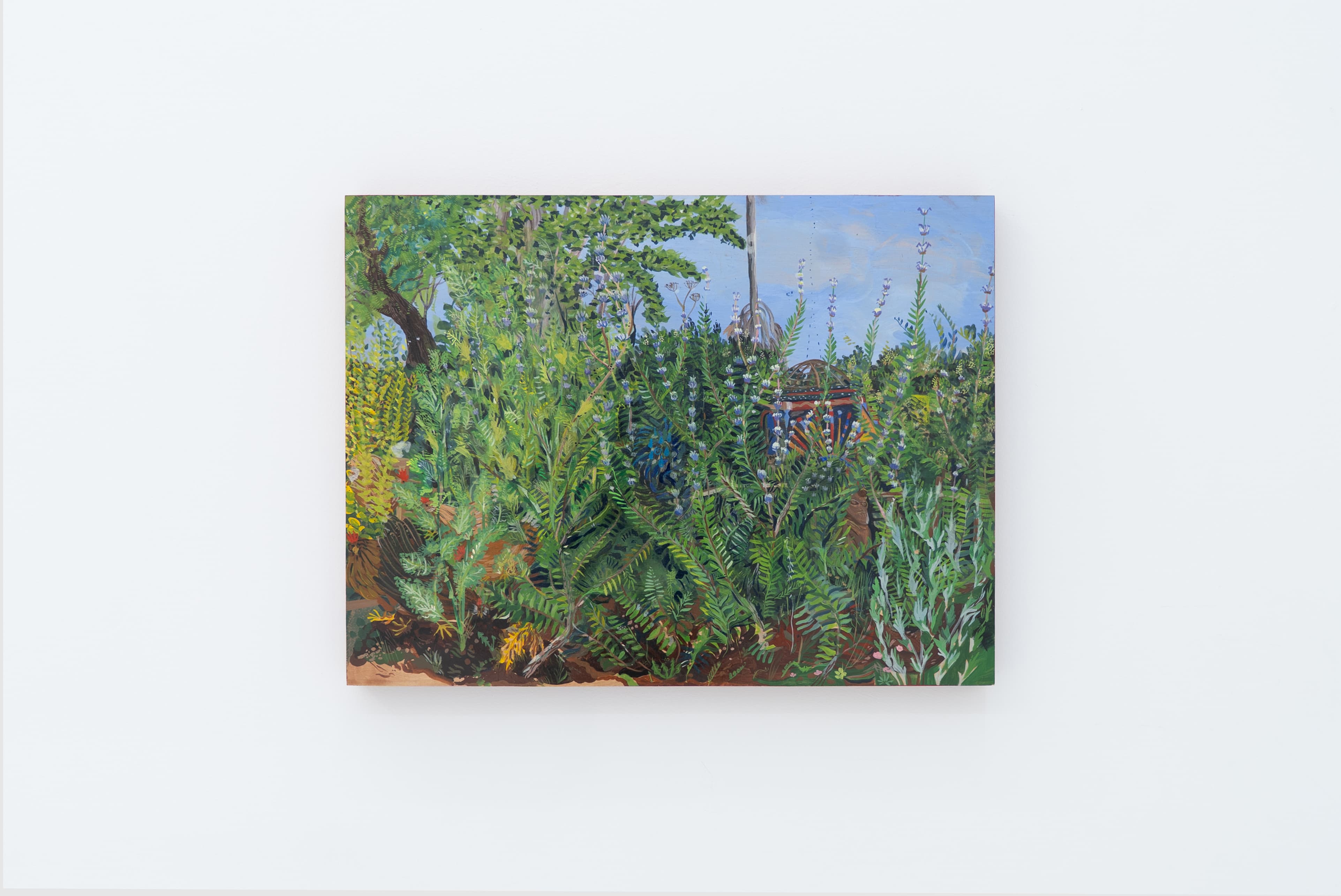 Sarita Doe
Rain Gardens, Chicken Temple (Fennel, Black Sage, Mugwort), 2022
Natural pigment and gouache on board
18 x 24 inches
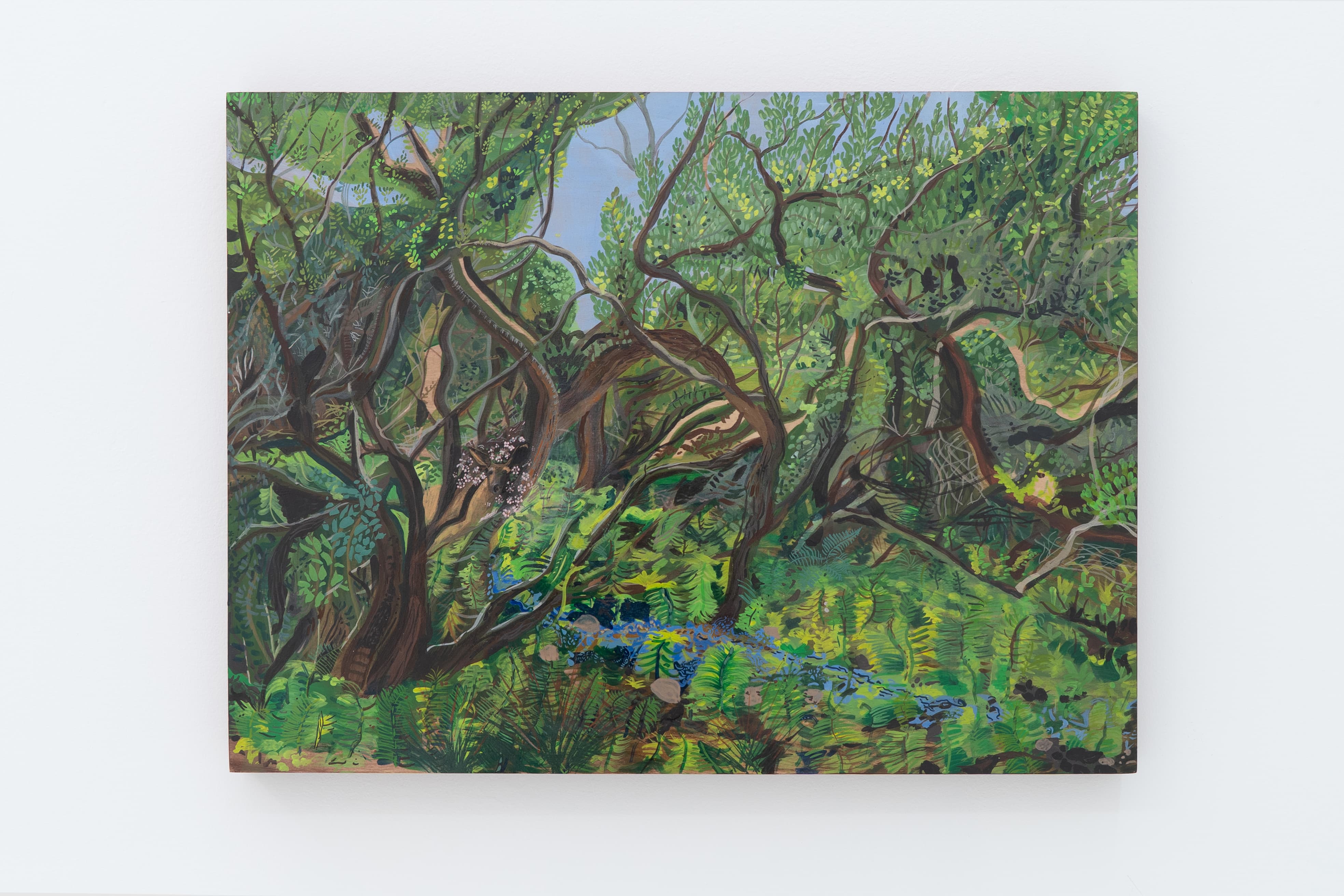 Sarita Doe
Spring Deer Deity, 2024
Natural pigment on board
18 x 24 inches
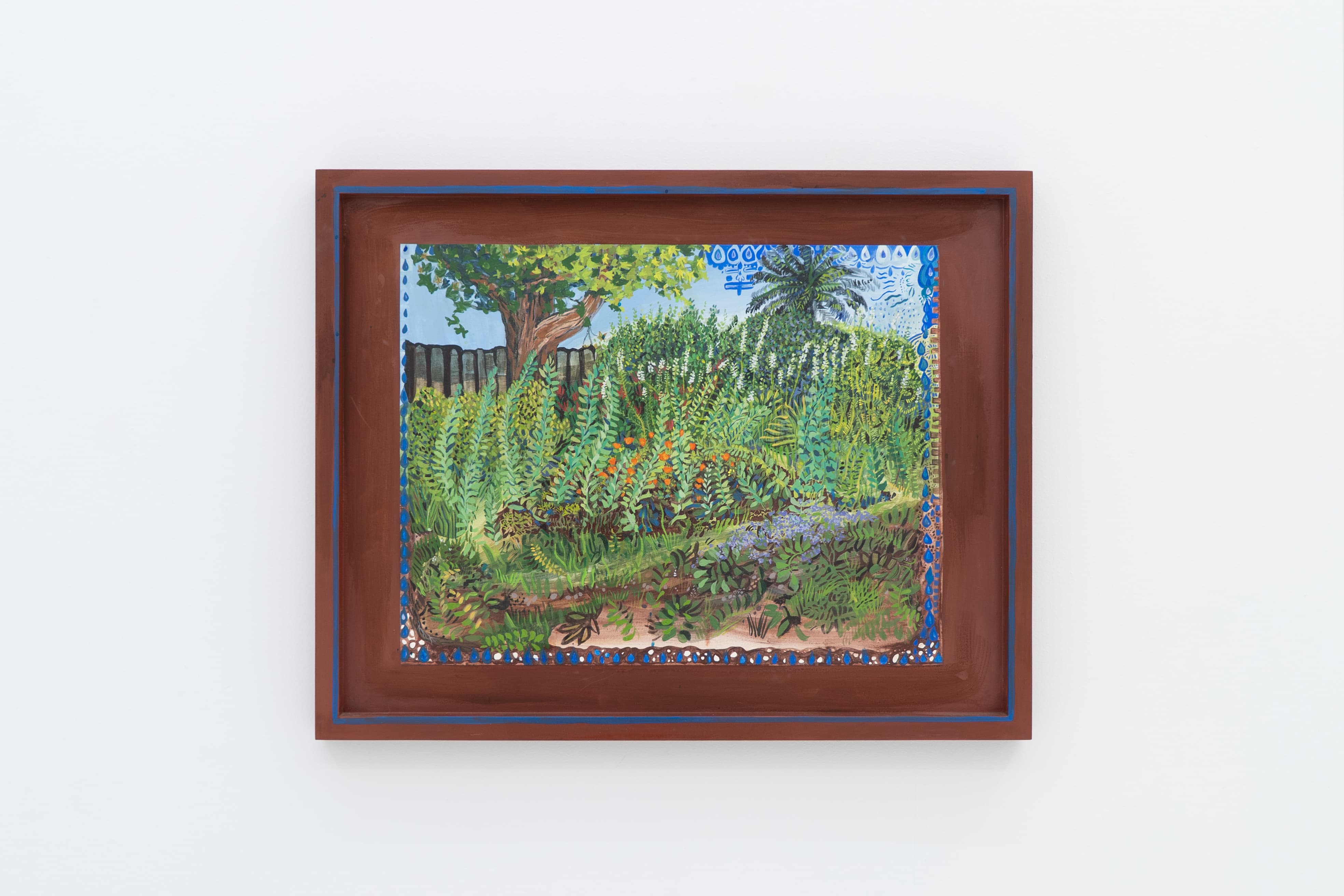 Sarita Doe
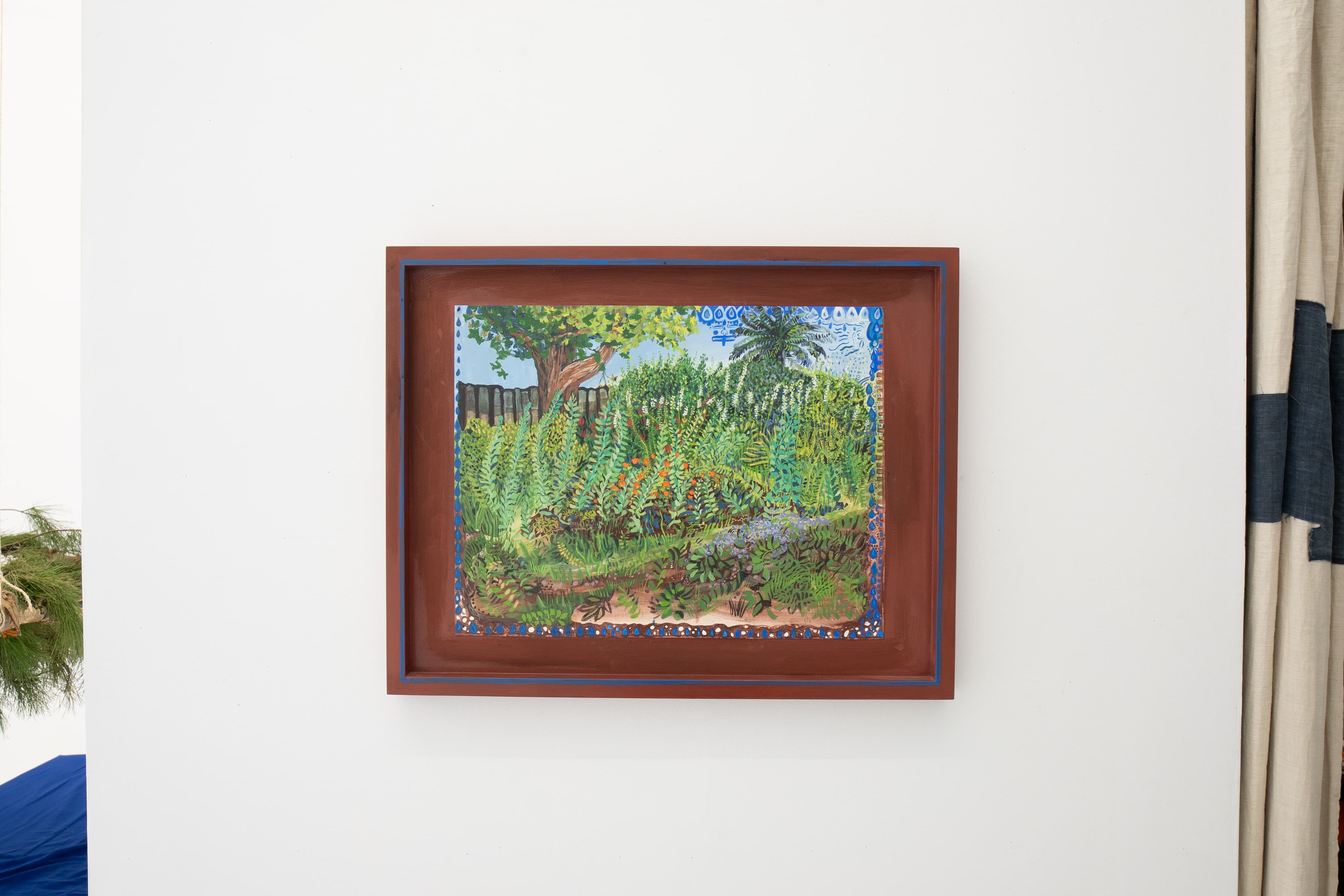
Rain Deities and the Front Yard Meadow, 2022
Natural pigment on paper on artist frame
17 x 22 inches (frame 23 x 29 inches)
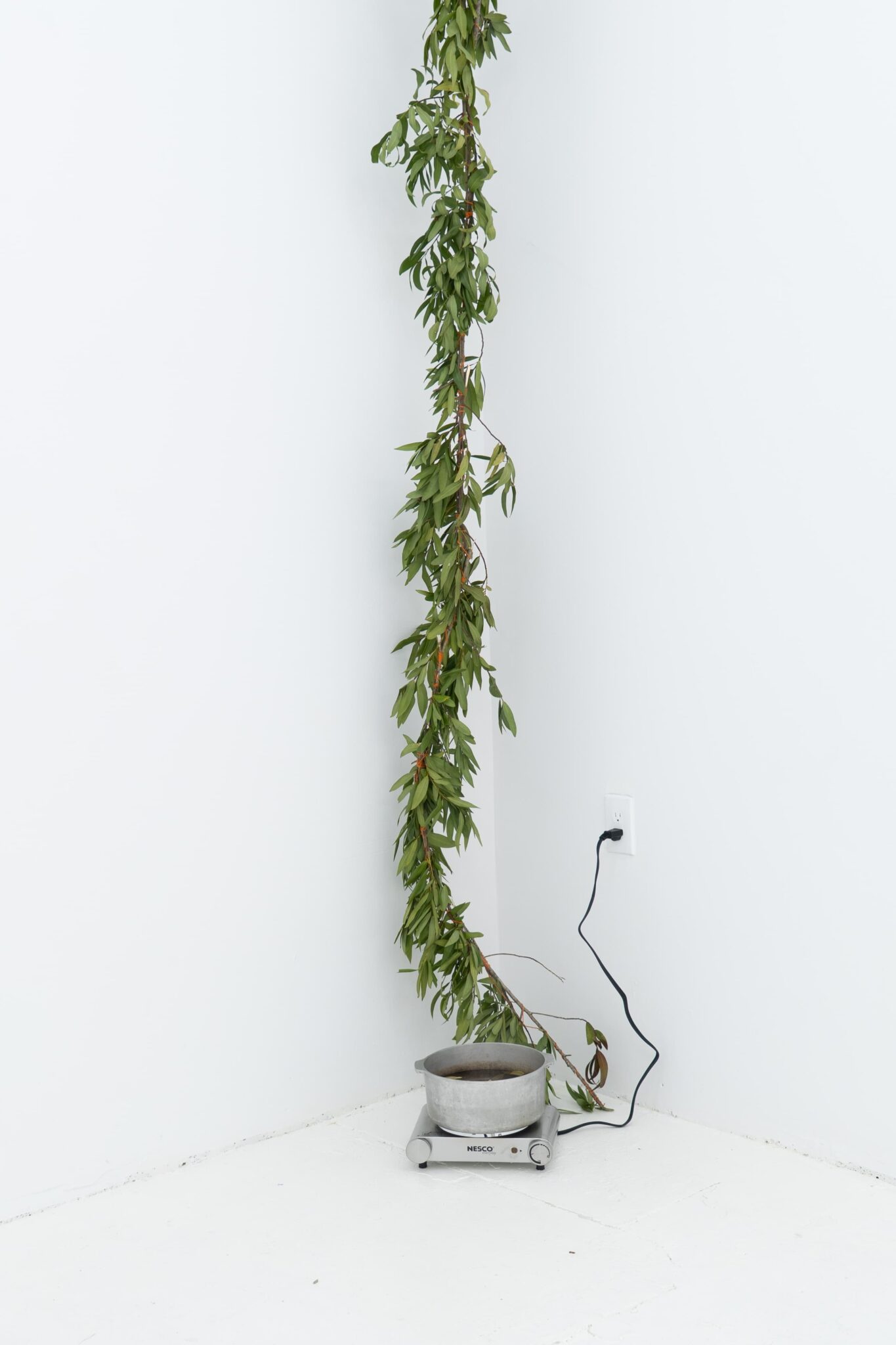
Sarita Doe
Bay Laurel for our Lungs, 2025
bay laurel leaves, yarn, twine, hotplate and pot
144 x 7 inches
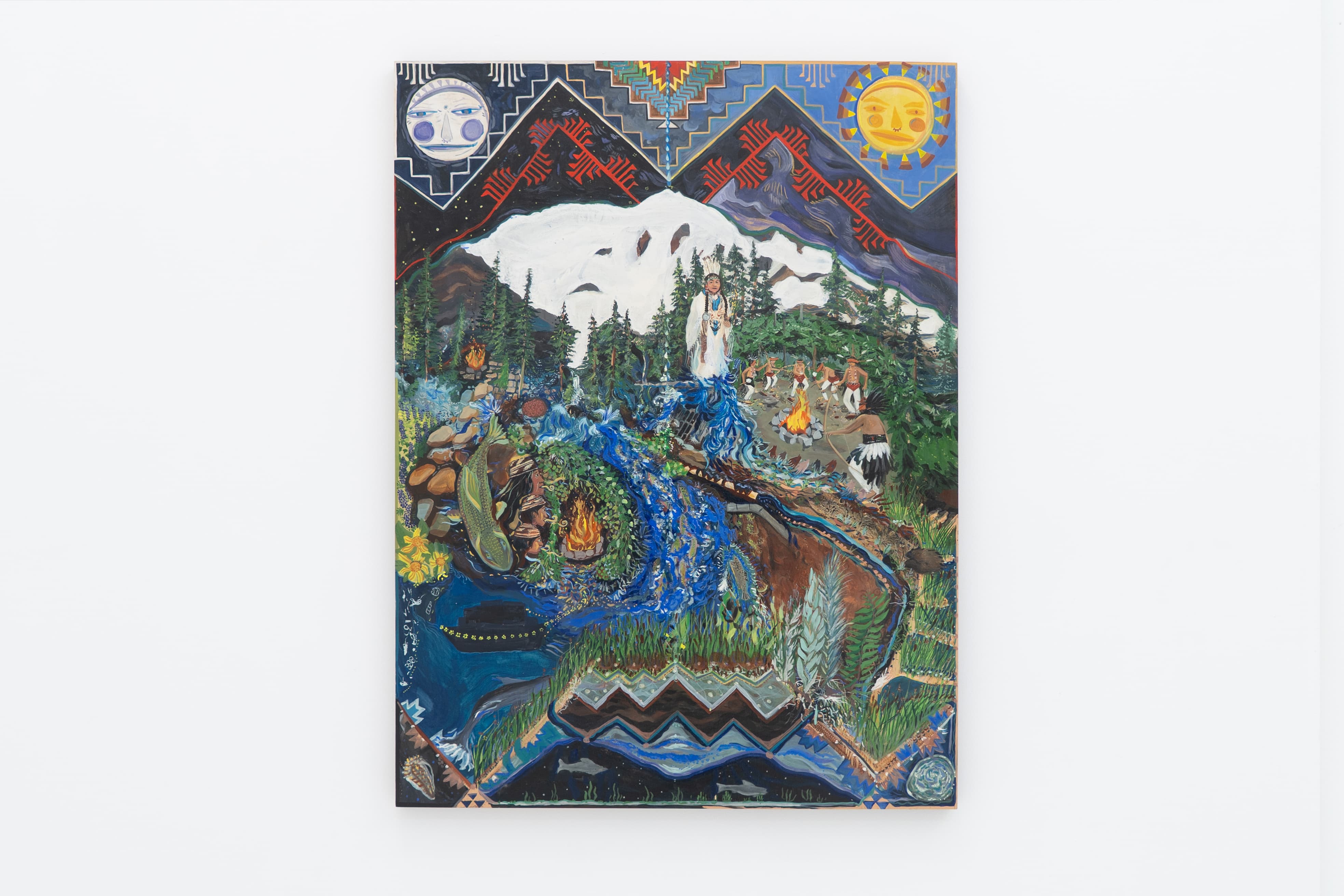
Sarita Doe
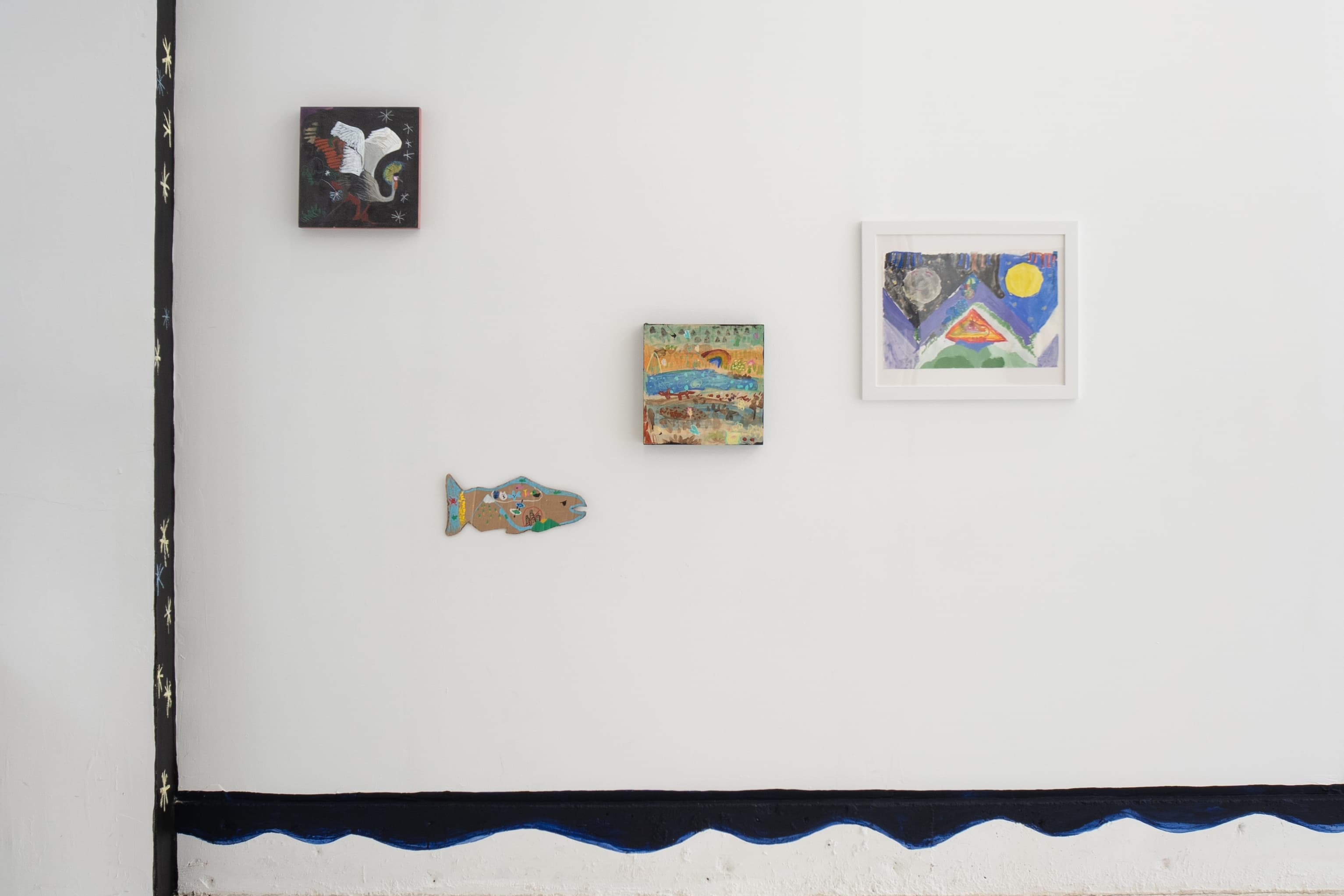
Salmon Home: Waterways Repair and Winnemem Wintu Cosmovision of Care, 2023
Natural pigment and gouache on board
48 x 36 inches
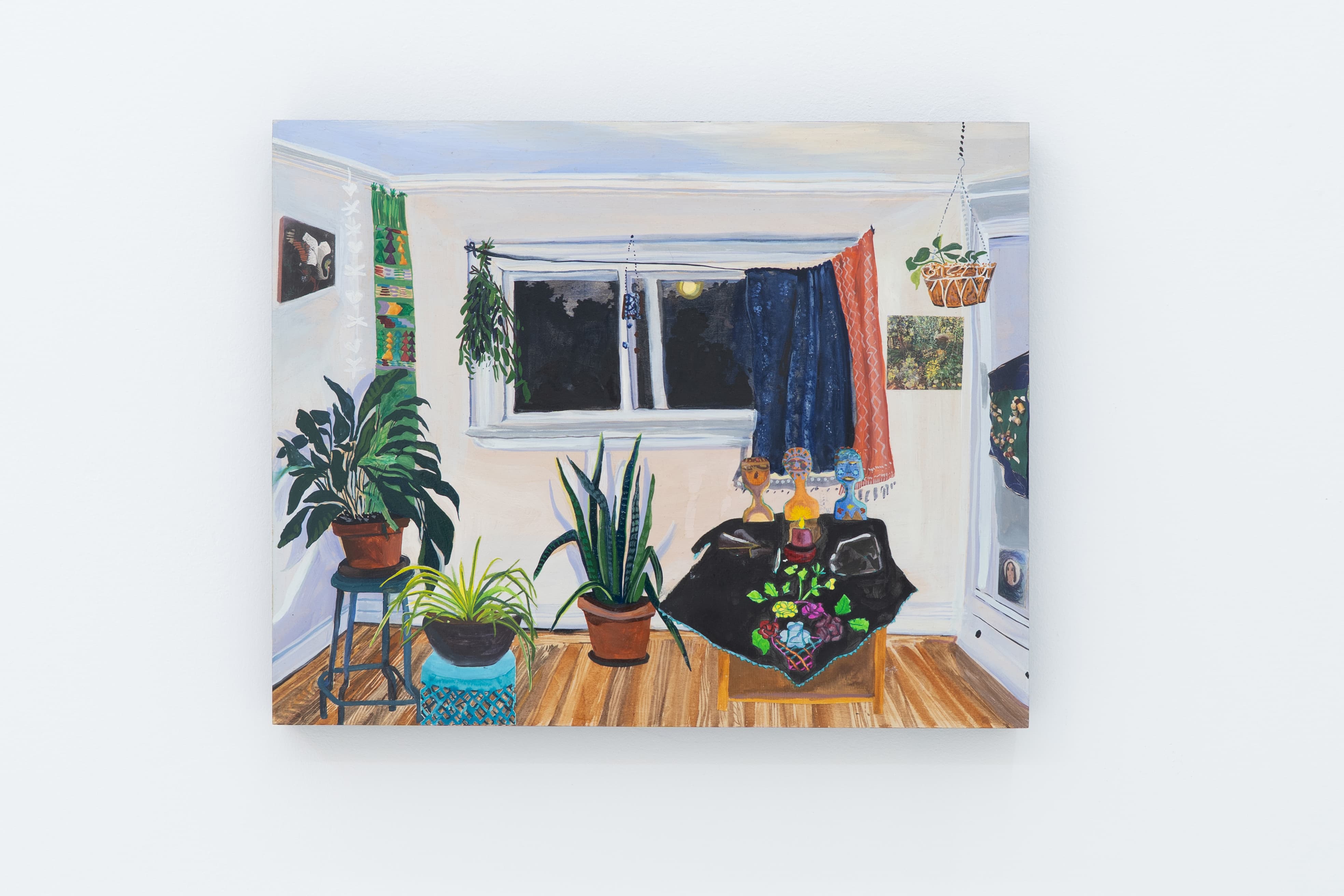 Sarita Doe
Breathing Room, 2025
Natural pigment and collage on board
16 x 20 inches
 Healing Pines, 2025
Monterey Pine needles, yarn, twine, oak and redwood branches,
dimensions variable
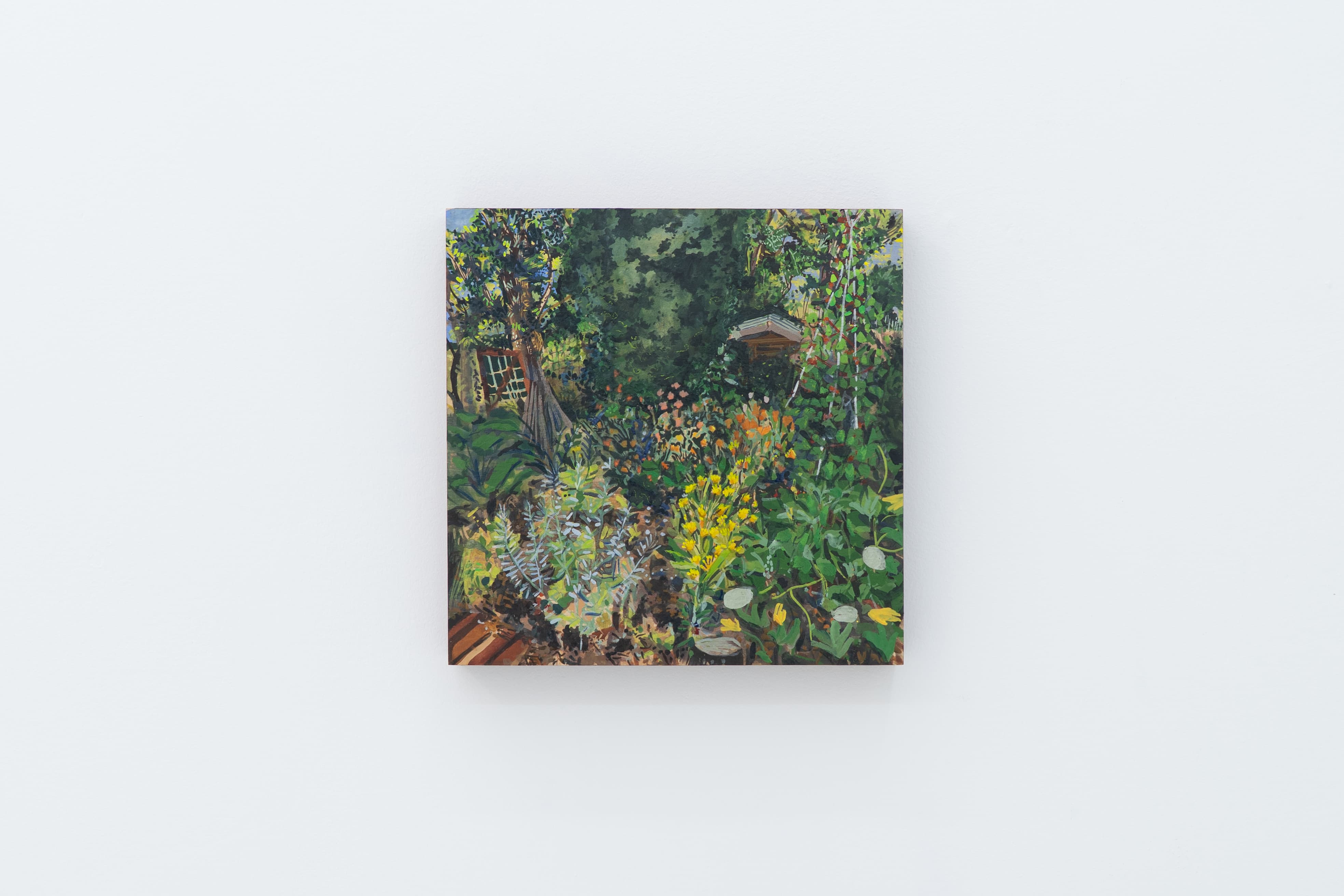 Sarita Doe
Flower Mountain, 2024
Natural pigment on board
12 x 12 inches

humans have lost their way
following theory
following concept
we can’t think our way
out of ecosystem collapse
Climate grief is an estuary
to multi-species councils of beings.
They speak in relation:
Mountain Apu (spirit of each mountain)
Buckeye
Coast Live Oak (her last days before collapse phytophthora ramorum is a sudden death)
Bush Lupine
humpback whale (bludgeoned by ships in the bay)
through dreams
in community
spanning time
teaching seasons, soil, and aquifer
they change us
if we slow down enough to listen
their gasps come before our egos
Surrender, human.
Earth phases out mind-philosophy, go in, heart first
we change them
Run to the water, ask her how
we can do so much
offer more than regret
lie down